
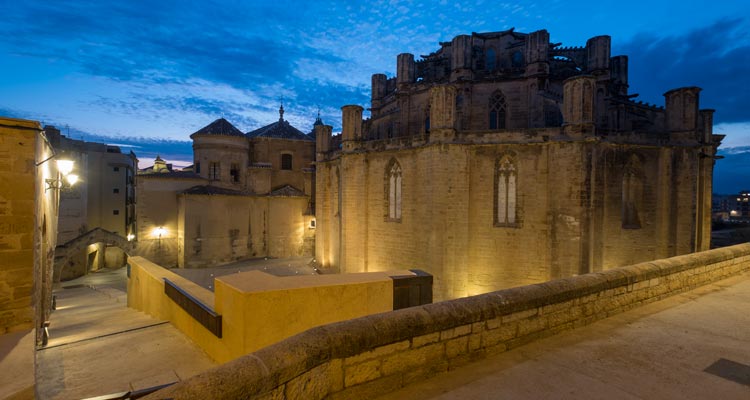
Tortosa: Cathedral, guided tours, Episcopal Palace, Sirgador, and other things to do
Tortosa is a city with a rich history and cultural heritage. Its Cathedral of Santa María and the Episcopal Palace are two of its main attractions, reflecting the region’s architectural evolution. Guided tours offer an ideal way to explore these monuments and other historic sites. In addition, a traditional boat ride on the Sirgador allows visitors to explore the Ebro River and enjoy its panoramic views.
Tortosa: A Cultural and Natural Destination
Tortosa, in the Baix Ebre region, is a destination that combines cultural heritage and natural beauty. Its rich history and scenic landscapes make this city an exceptional place to explore.
History of Tortosa
With more than 2,000 years of history, Tortosa has been home to many civilizations, from the Romans to the Muslims. This cultural melting pot is reflected in its architecture and traditions, making the city a true historical treasure.
Must-See Places to Visit in Tortosa
Among Tortosa’s attractions are several monuments and natural sites that are essential for a complete visit.
Other Historical Landmarks
- St. Mary’s Cathedral: This majestic Gothic cathedral is one of the city’s landmarks.
- Zuda Castle: A historic fortress with breathtaking views of Tortosa and the Ebro River.
- State Bridge: An architectural landmark that bridges history and modernity.
The Natural Environment of the Ebro River
The Ebro River is the heart and soul of Tortosa, offering unique landscapes and recreational activities. The hiking and biking trails along the river are popular among those who want to connect with nature.
St. Mary’s Cathedral: An Architectural Gem
The Cathedral of Santa María in Tortosa is a magnificent example of Catalan Gothic architecture. Its impressive structure and rich history make it a highlight of the city’s artistic heritage.
History of the Cathedral
Construction of the cathedral began in the 13th century and continued into the 18th century. This lengthy process allowed for the incorporation of different styles, resulting in a structure of great stylistic coherence. Situated on the site of the ancient Roman forum, the cathedral reflects the cultural and religious evolution of the area over the centuries.
Highlights of the Cathedral
Among the features that make the Cathedral of Santa María unique are several notable works of art that stand out for their beauty and significance.
Main Altarpiece of Santa María
This stunning piece, crafted from gilded and polychrome wood, depicts Marian devotion and is a landmark of Catalan religious art. Its exquisite design captivates visitors, who marvel at its detail and splendor.
Chapel of La Cinta
Considered a Marian shrine, this chapel stands out for its use of fine marble and its architectural beauty. The use of precious stones, such as pink jasper from Tortosa, lends this space an air of sacredness and uniqueness.
Olivera Gate
This Baroque-style entrance leads to the trapezoidal cloister and showcases the city’s rich architectural heritage. Its pointed arches and columns with quatrefoil shafts are vivid examples of the aesthetic complexity of the period.
Cathedral Permanent Museum
The cathedral houses an art collection spanning nine centuries. The exhibition features Roman, Visigothic, and Arabic epigraphic works, as well as sculptures and tapestries. This exhibition offers a valuable account of Tortosa’s tumultuous history and cultural development.
Bishop’s Palace of Tortosa
The Episcopal Palace of Tortosa represents a convergence of the area’s religious and civil history. This monumental building has witnessed various events over the centuries.
Historical Development of the Palace
Since its founding, the palace has symbolized ecclesiastical power. Its construction has gone through several phases, from the Visigothic era to the present day. Originally built as a residence for bishops, it has been renovated and expanded many times to adapt to the needs of each era.
Architecture of the Palace
The architecture of the Episcopal Palace stands out for its fusion of styles. Gothic and Renaissance elements predominate, as reflected in its facades and interior structures. The arcades, large windows, and sculptural details are particularly noteworthy. Its design has allowed the building to retain its majesty over time.
Current Uses of the Palace
Today, the Episcopal Palace houses various administrative and ecclesiastical offices. It serves as a venue for activities related to the diocese and is a space for cultural events. Visits to the palace allow visitors to appreciate its historical and architectural value, connecting them with the city’s legacy.
Guided Tours: A Cultural Experience
Guided tours in Tortosa offer visitors a deep immersion in the city’s rich historical and cultural heritage. Through well-structured itineraries, they make it easy to explore the city’s most iconic landmarks.
Typical Routes and Schedules
Guided tours typically last about 2.5 hours and generally begin at 11:00 a.m. These tours allow visitors to explore the Cathedral of Santa María and the Episcopal Palace, as well as the historical contexts surrounding them.
Prices and Access to Guided Tours
The rates are affordable, which makes it easier for a variety of audiences to participate. Prices for guided tours vary depending on age and group size, with discounts available for groups and large families.
Special Guided Tours
There are special guided tour options that enrich the cultural experience. These include activities that highlight the natural surroundings of the Ebro River.
Combination Package with a Cruise on the Ebro River
One of the most appealing options is the guided tour combined with a boat ride on the Ebro River. This activity not only offers an enriching learning experience but also provides the opportunity to enjoy spectacular views.
Ideal for groups and organizations
Guided tours are designed to accommodate school groups, associations, and other organizations. This flexibility allows for a personalized experience that meets the specific needs of each group.
Traditional Sailing with the Sirgador
Traditional boat trips on a “sirgador” offer a unique way to explore the Ebro River and enjoy its natural surroundings. This tradition, which is part of Tortosa’s river history, allows visitors to appreciate the beauty of the area from the water.
History of the Rope-Maker on the Ebro River
The Sirgador is a tradition deeply rooted in Tortosa’s history, dating back to a time when boats were towed along the Ebro River. This activity reflects the river’s importance as a route for communication and transportation, contributing to the region’s economic development.
Activities and River Cruises
River cruises are a great way to enjoy the Ebro River at a leisurely pace. They offer a variety of options to suit all tastes and occasions.
Scenic Cruises on the Ebro River
These cruises offer breathtaking views of the city and the surrounding landscape. As they sail, passengers can admire historic landmarks and the lush natural scenery along the river.
Sunset Cruises
Sunset cruises offer a magical experience. In a romantic setting, visitors can enjoy a glass of cava while watching the sun set over the Ebro River, creating an unforgettable visual spectacle.
Activities for Groups and Celebrations
Rafting trips on the Sirgador River are ideal for groups, such as family celebrations, weddings, or school activities. Customized itineraries are organized to allow participants to enjoy a unique experience along the Tortosa River.
Things to Do in Tortosa from June to August
During the summer months, Tortosa becomes a cultural and natural destination, offering a variety of activities for visitors. The pleasant temperatures and wide range of events allow visitors to enjoy the city to the fullest.
Festivals and Cultural Events
Summer in Tortosa is a vibrant time of year, filled with various festivals. Among the highlights are:
- Renaissance Festival: An event that celebrates the city’s cultural history with activities, performances, and period markets.
- Holy Week: Although it is celebrated in the spring, the preparations and special events can extend into early summer, featuring related exhibitions and activities.
- Open-air movies: During July and August, screenings are held in public spaces where you can enjoy movies in a pleasant atmosphere.
Hiking and Nature Trails
The nature trails around Tortosa are a perfect destination for hiking enthusiasts. Some of the most popular options include:
- Greenway: A scenic route that follows old railroad tracks, ideal for walking or biking.
- Ebro Delta Reserve: It offers trails where you can observe the area’s rich biodiversity, making it ideal for nature lovers.
Local Cuisine in the Summer
Tortosa’s culinary scene is varied and delicious, especially during the summer. The city’s restaurants are known for serving traditional regional dishes, such as:
- Fresh fish and seafood from the Ebro River.
- Rice with lobster, a signature dish of the Ebro River region.
- Traditional sweets like coca de llardons, perfect for enjoying on warm summer afternoons.
Recommended Schedules and Prices
Most of the monuments and museums in Tortosa have fairly regular hours, but it’s a good idea to check in advance:
- The Cathedral and the Bishop’s Palace are usually open from 10:00 a.m. to 7:00 p.m.
- Admission prices for adults are affordable, with discounts available for groups, seniors, and children.
- Guided tours have specific schedules that vary by season, so we recommend checking the updated schedule.
Useful Information and Contact Information
Knowing a few practical details can make your visit easier. It’s a good idea to keep the following in mind:
- The availability of tourist services in the city center.
- The use of interactive maps, which help users find their way around and discover interesting routes.
- Check mobile apps or digital platforms to find out about cultural events in real time.