
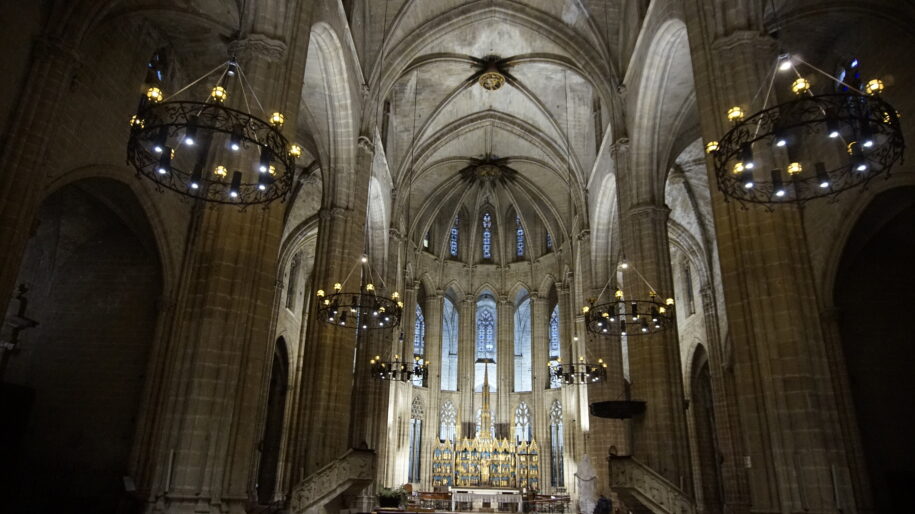
The Cathedral of Santa María de Tortosa, part of the Diocese of Tortosa, is an iconic monument that reflects the city’s rich history. Its construction spanned several centuries, and it has been an important cultural and religious landmark in the region. The guided tour of Tortosa Cathedral allows visitors to learn about its history, architecture, and the key events that have shaped its development. Throughout the tour, visitors discover significant artistic and architectural elements that enrich the experience.
History and Background of Tortosa Cathedral
The Cathedral of Santa María in Tortosa is a symbol of the region’s cultural and historical richness. Its construction spanned a long period, reflecting the diverse influences that have shaped its character over the centuries.
Cultural Influences Over Time
The cathedral stands on the foundations of earlier buildings, which include Roman, Visigothic, and Muslim ruins. This blend of cultures has given rise to a unique architectural style that fuses Gothic and Baroque elements. The different phases of its construction, from the 13th to the 18th century, were influenced by the artistic and religious trends of each era, making this monument a testament to Tortosa’s cultural legacy.
Notable Historical Events
Throughout its history, Tortosa Cathedral has witnessed numerous significant events. From its establishment as the seat of the bishopric to the celebration of important ceremonies, the cathedral has played a central role in the city’s religious and social life. It has welcomed pilgrims and served as the setting for conflicts and reconciliations over the centuries. These milestones have left a profound mark on its history and on the local community.
Awards and Honors
The cathedral’s historical and cultural value has been recognized on numerous occasions. In 2021, it was voted one of the seven cultural heritage treasures of the city of Tortosa. This recognition not only highlights its architectural significance but also its role as a symbol of identity for the city’s residents. The cathedral remains a legacy that is preserved and cherished for its rich history and its influence on the development of Tortosa.
Architecture of the Cathedral of Santa María
The Cathedral of Santa María de Tortosa is an exceptional example of architectural evolution over the centuries. Its design reflects a blend of styles that have contributed to its grandeur and uniqueness.
Predominant Architectural Styles
The cathedral’s architecture incorporates elements of both Catalan Gothic and Baroque styles. This fusion of styles is evident in various parts of the building, where each phase of construction has left its mark. The blend of these influences has created a rich and complex structure that captivates visitors.
Unique Architectural Elements
Among the cathedral’s most notable features are its unique architectural elements, which highlight its originality and functionality.
The Double Nave and Its Functionality
The double ambulatory is a distinctive feature that allows access to the chapels without interrupting the flow of religious ceremonies; in fact, this ingenious design facilitates the movement of the faithful and provides a space for contemplating the works of art venerated in each chapel.
The Baroque facade and its visual impact
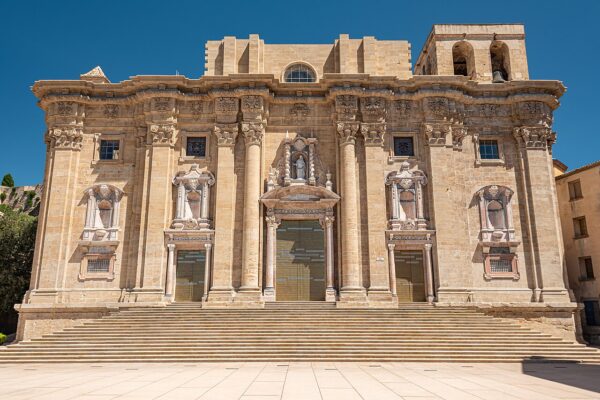
The cathedral’s Baroque façade is imposing and makes a significant visual impact. With its elaborate ornamentation, this part of the building reveals the artistic richness of the era in which it was built, as well as its significance within the urban landscape. The façade invites visitors to explore the cathedral’s interior.
Important chapels and altarpieces
The cathedral houses several chapels that are true artistic gems. Each features altarpieces that reflect the devotion and richness of their materials.
- Main Altarpiece of Santa María: Considered one of the most significant, it stands out for its beauty and for being a central place of worship.
- Chapel of La Cinta: This space stands out for its Baroque design and has become an important place of worship for the residents of Tortosa. The variety of chapels and altarpieces allows visitors to appreciate the history of religious art over the centuries in this magnificent church.
The variety of chapels and altarpieces allows visitors to appreciate the history of religious art over the centuries in this magnificent church.
Guided Tour and Its Itinerary
The guided tour of Tortosa Cathedral offered by Visitur is a unique opportunity to immerse yourself in the city’s rich cultural heritage. Through a well-structured itinerary, participants can appreciate the history and architecture of this iconic building.
Tour Itinerary
It includes the entire cathedral complex, which dates back to the 12th century, featuring underground chambers and galleries, the Gothic halls of the former rectory—where the permanent exhibition is located—the 13th-century cloister, and the magnificent Gothic cathedral with its double ambulatory and Baroque façade.
Initial Model and Its Purpose
At the start of the tour, visitors stop in front of a giant model of the cathedral. This scale model helps visitors understand the layout of the building and its surroundings. The model is a valuable resource that makes it easier to visualize the cathedral’s scale and its architectural highlights before entering the cathedral.
Points of interest inside the cathedral
Upon entering the cathedral, visitors are greeted by the majesty of its central nave, which leaves everyone breathless. The tour includes several chapels that house important works of sacred art.
Main Altarpiece of Santa María
The guided tour of Tortosa Cathedral offers one of the most memorable moments of the visit: the opportunity to admire the main altarpiece of Santa María, a masterpiece of religious iconography. Its meticulous decoration and the complexity of its reliefs make it a highlight of the tour.
Chapel of Our Lady of the Ribbon
The Chapel of the Virgin of La Cinta is another site of interest. This place of devotional fervor stands out for its rich ornamentation and the use of fine materials, reflecting the community’s dedication to the veneration of the Virgin.
Guides and Services Offered
The guides are professionals who provide extensive knowledge about the history of the cathedral and the city. Many of them offer their services in several languages, making it easier for visitors of different nationalities to access detailed information. The tours are tailored to different groups, ensuring that all participants have an enriching and enjoyable experience.
Practical Information for Visitors
Knowing the practical details about visiting Tortosa Cathedral makes for a more enriching experience. Below are important details such as hours, admission fees, and recommendations for visitors.
Hours and Rates
The cathedral is open on weekends, and hours vary depending on seasonal demand. It is important to note that during the summer months, the schedule is more flexible, with tours also scheduled on weekdays.
Seasonal Variations
Winter: Guided tours are usually limited to Saturdays starting at 11:00 a.m.
Summer: The cathedral is open several times a week, with additional visiting hours. Exact hours may vary, so we recommend checking the updated schedule.
Rates for Different Age Groups
- Adults: Approximately 10 euros.
- Youth (ages 10–16): About 6 euros.
- Children under 10: Free admission.
Tips for Your Visit
To ensure your visit goes smoothly, we recommend following a few practical tips that will help make your experience comfortable and enjoyable.
Tips for a Comfortable Experience
Comfortable shoes: The tour involves walking on cobblestone streets and inside the cathedral.
Advance reservation: Highly recommended during peak seasons to ensure a spot on the guided tour.
Planning: Take the visit schedule into account and arrive early to avoid potential crowds.
Accessibility Options
The cathedral is equipped with facilities that allow access for people with limited mobility. Throughout the tour, there are accessible routes and services designed to make the visit easier for all visitors, ensuring that everyone can enjoy the cultural heritage offered by this iconic building.
Things to Do in Tortosa
Tortosa is known not only for its cathedral but also for a variety of activities that allow visitors to enjoy its natural and cultural surroundings. From outdoor trails to culinary experiences and local events, there’s something for everyone.
Outdoor Trails and Activities
Biking Along the Greenway
The Greenway is a former railroad right-of-way that has been transformed into an ideal cycling route for exploring the area’s natural beauty. This easily accessible trail, with no significant inclines, offers a variety of landscapes, including the Ebro River and crops typical of the region. Cyclists and hikers can enjoy a peaceful setting, surrounded by native flora and fauna.
Navigation on the Ebro River
One of the best ways to experience Tortosa from a different perspective is by taking a boat ride on the Ebro River. That’s why Visitur offers a combined tour aboard the Sirgador, allowing you to explore the river’s meanders and observe the area’s rich biodiversity. This activity is perfect for enjoying a sunny day and experiencing the tranquility of the water.
Gastronomic Tourism in Tortosa
Restaurants and Local Cuisine
Tortosa boasts a diverse culinary scene that reflects the richness of its culture. The city’s restaurants serve traditional Catalan dishes, featuring fresh, seasonal ingredients. Visitors can enjoy tapas, rice dishes, and other traditional fare that delight the palate.
Products and Experiences at the Tortosa Market
The Tortosa Market is an iconic spot that offers high-quality local products. Here, visitors can find fresh fruits and vegetables, artisanal cured meats, and other typical regional products. In addition, strolling through the market offers a chance to connect with the city’s culinary customs and traditions.
Cultural Events
Renaissance Festival
The Renaissance Festival is one of Tortosa’s most notable events, reenacting scenes from local history. This festival attracts numerous visitors who can enjoy activities, workshops, and performances in a festive atmosphere that brings the city’s past to life through music, dance, and period costumes.
Other festivals and cultural events
Throughout the year, Tortosa hosts various festivals and cultural activities that celebrate its heritage. These events include exhibitions, fairs, and events related to music and art. The variety of activities ensures that there is always something interesting to enjoy, enriching the